
I knew the research. Then I became the parent in the meeting.
Ten years as a special education teacher and administrator. A master’s in teaching young children with disabilities. A PhD in urban education. Years teaching future teachers at Hunter, Brooklyn College and NYU, and designing learning tools for kids whose brains work in all kinds of ways.
I knew the systems. I spoke the language. I built inclusive classrooms and supported families through some of the hardest conversations they’d ever had.
Then I became a parent to a child whose brain experiences the world differently — and quietly, undeniably, started recognizing those same patterns in myself.
When What I Knew Wasn’t Enough
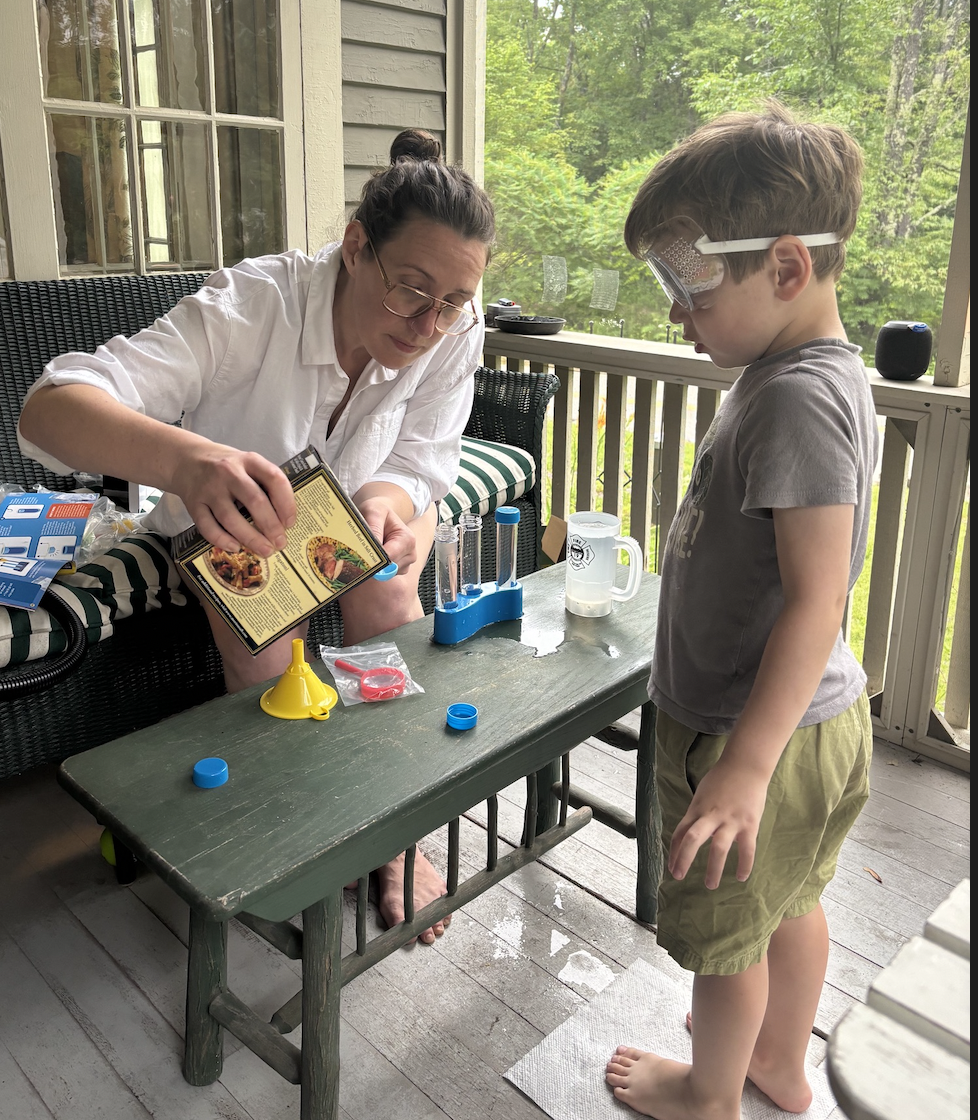
At home, we built sensory stations and transition tools almost instinctively. But in school meetings I found myself struggling to translate everything I professionally knew into parent advocacy. I could design inclusive classrooms. I hadn’t prepared for the emotional complexity of advocating for my own child.
I knew the research. I didn’t have the parent-language to communicate what my child needed to people who saw him differently than I did.
If I was struggling to explain my own kid to his school, with all of that background, what were other families going through? That question wouldn’t leave me alone.
When It Became Personal
The more I researched for him, the more I found myself thinking:
wait, that sounds familiar.
It wasn’t a dramatic revelation. More like a lot of small moments adding up. Things I’d been carrying without knowing they belonged to the same picture. The behaviors I once analyzed I now understood from the inside. The research I used to translate for others I was now reading to understand both of us.
It didn’t replace what I knew. It added something I didn’t realize was missing.
Little Brains & Bodies came out of that: the research, the classroom practice and what I learned about my own brain. Today it’s live workshops and a library of short articles for the parent in the middle of a Tuesday who knows something is happening and wants to understand it.
I’ve worked through these moments with more than 60 families so far.