
There’s more to behavior than what we see.
Learn to notice patterns, understand what your child’s brain and body may be managing, and adapt the support around them.
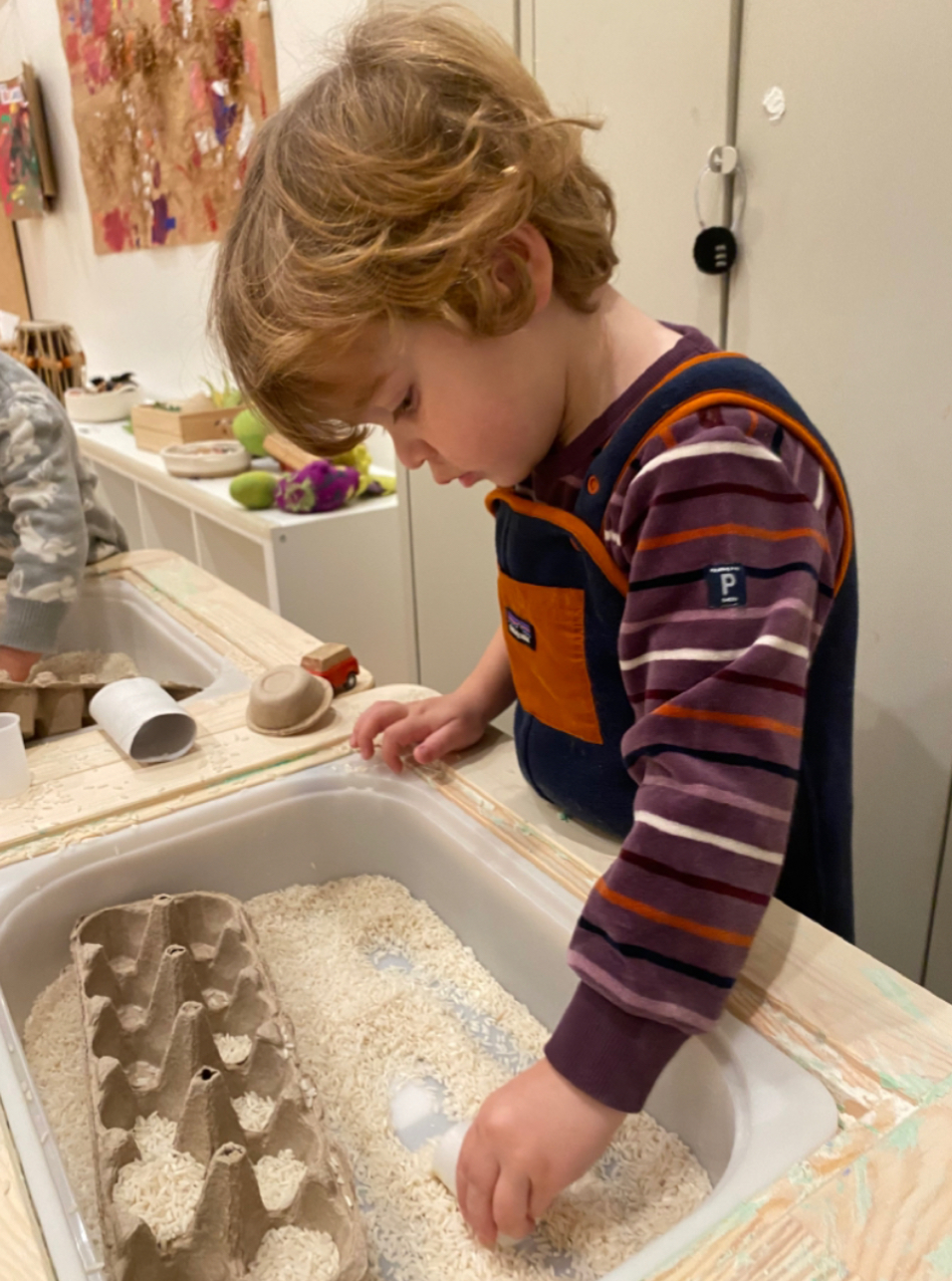

If you've Googled any of these at midnight, hi.
"Why does my kid need to move all the time?"
For some kids, movement is how their brain and body system stays regulated enough to actually pay attention. If that's what's happening, the "distraction" starts to look a lot different.
"Why does my kids lose it over tiny things?
The thing that set them off usually isn't the thing. By the time something small becomes too much, their brain and body have often been managing a lot. What looks disproportionate from the outside makes more sense when you can see what was already in the tank.
"Why does my kid need everything to go exactly as planned?"
For some kids, predictability isn't a preference, it's how their brain stays regulated enough to function. When the plan changes, it's not stubbornness. It's the brain and body losing the thing they were using to stay steady.
Where we can help
Support that fits the whole picture.
At home
Noticing
You keep seeing the same moments repeat. Mornings. Transitions. The hour after school. Learn to see what’s underneath them. Not just what to do, but why it keeps happening.
Explore noticing →In their space
Environment
You’ve tried visual schedules, earlier bedtimes, fewer activities. Some things help for a while. Others don’t stick. Learn what their brain and body system actually needs so you can adjust with less guesswork.
Explore environment →At school
School Partnerships
School wants to help. But you’re the one who sees the full picture like what happens at home, what helps, what doesn’t. Learn how to share what you know in ways that actually move things forward.
Explore school partnerships →Grounded in real science.
Designed for real life.
Start with mornings. Start with transitions. Start with school. The framework is underneath all of it. You'll pick it up as you go.
Not sure where to start?
Take the Quiz →
Parents who found their framework
"I genuinely think about this material all the time. When [my kiddo] loses it unless he can hold a stick on our walk to hit every fence we pass, my first reaction is 'wtf stop.' My second reaction is 'Barbara would say he's a sensory seeker.' That second reaction has changed a lot."
Kim, Parent of a 4-year-old
"The five-domain framework gave me language to talk to my kid's teacher and changed the dynamics with school. We're more 'in it together' now. "
Raj, Parent of a 8-year-old
"We knew parenting would have its challenges. We did NOT know we'd be living in reactive mode so much... the understanding and tools gained have moved us from reactive to proactive and responsive."
Polly, Parent of twins, age 5
